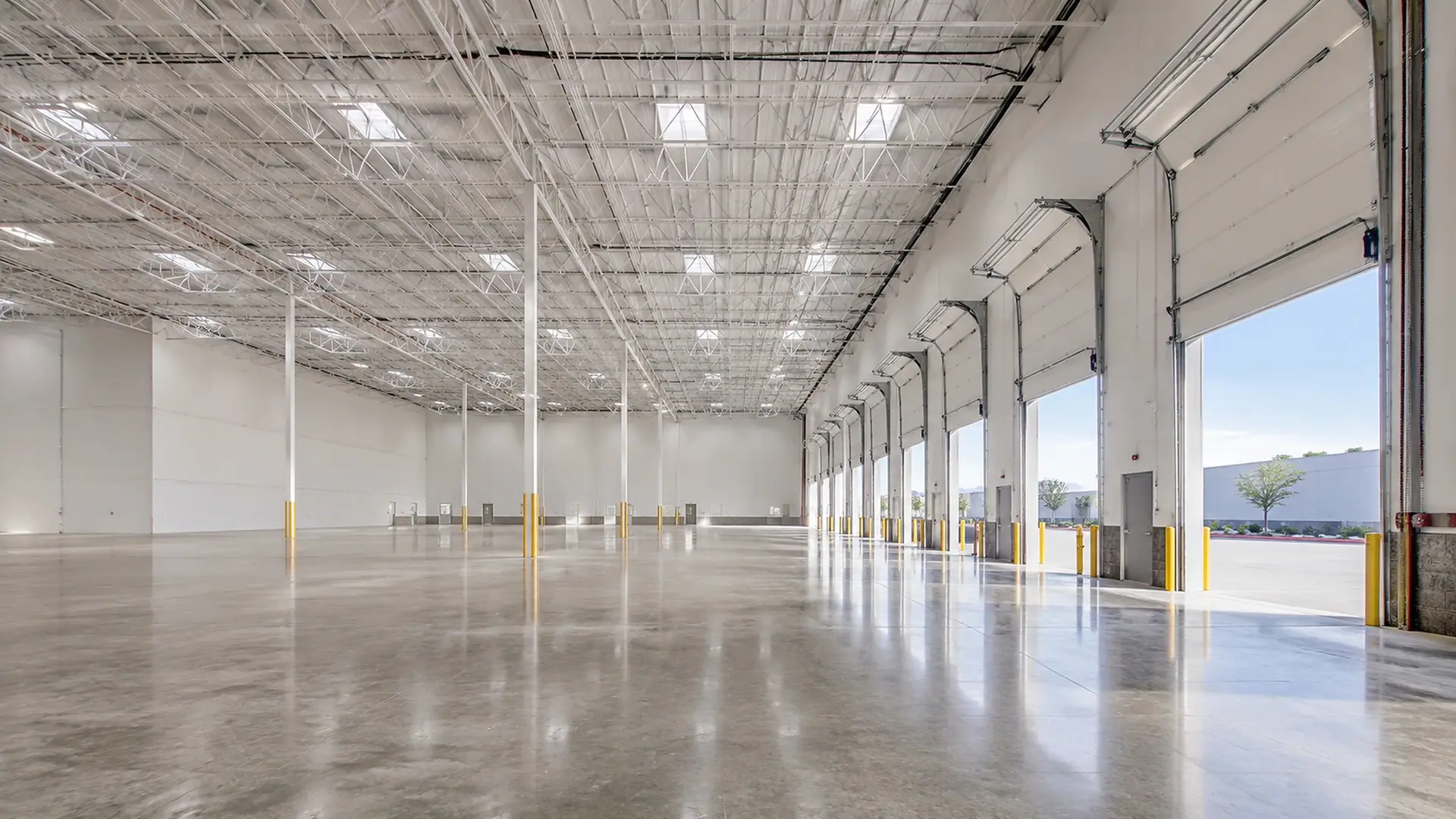
Rancho Cucamonga Industrial Real Estate
Warehouse, manufacturing, land, and IOS yards in Rancho Cucamonga, brokered by the Mudge Team at Lee & Associates.
Rancho Cucamonga Submarket Snapshot
The Rancho Cucamonga Industrial Market
Rancho Cucamonga is the Inland Empire’s scarcity market. The city sits at the junction of the I-15 and the 210 with Foothill Boulevard running east–west through its core, immediately north of Ontario International Airport — and it is, for practical purposes, built out. Almost every parcel that can hold an industrial building already does. That single fact drives everything else about the market: pricing, tenant profile, and the way deals get done.
The stock skews corporate. The Haven and Milliken corridors carry the IE’s highest-image industrial — landscaped business parks and corporate distribution buildings occupied by household-name tenants who want a quality address for headquarters-plus-distribution operations. Around them is a deep base of well-kept mid-bay and multi-tenant product from the 1980s and 90s that serves light manufacturers, medical and technology suppliers, and regional distributors. What Rancho has little of is the giant big-box footprint — the market’s parcel fabric was largely set before the mega-fulfillment era, which insulates it from the supply swings that move the corridors to its south and east.
Demand here is persistent for structural reasons. The labor pool is one of the strongest in the region, the Metrolink line and the 210 pull commuters from across the San Gabriel Valley foothills, and executives tend to live nearby — a quiet but real factor in where mid-size companies sign leases. When space does come available, it is frequently absorbed before it is broadly marketed, and owner-users hold their buildings for decades because replacing them inside the city is nearly impossible.
For owners, Rancho Cucamonga is as close to a seller’s market as Inland Empire industrial offers: constrained supply, premium tenancy, and reliable institutional and owner-user interest. For tenants, the honest advice is to start early and cast wider than the city limits — we routinely pair a Rancho requirement with alternatives in Ontario and Fontana so the search has leverage. The Mudge Team tracks Rancho Cucamonga availability building by building alongside the airport-corridor markets it borders.
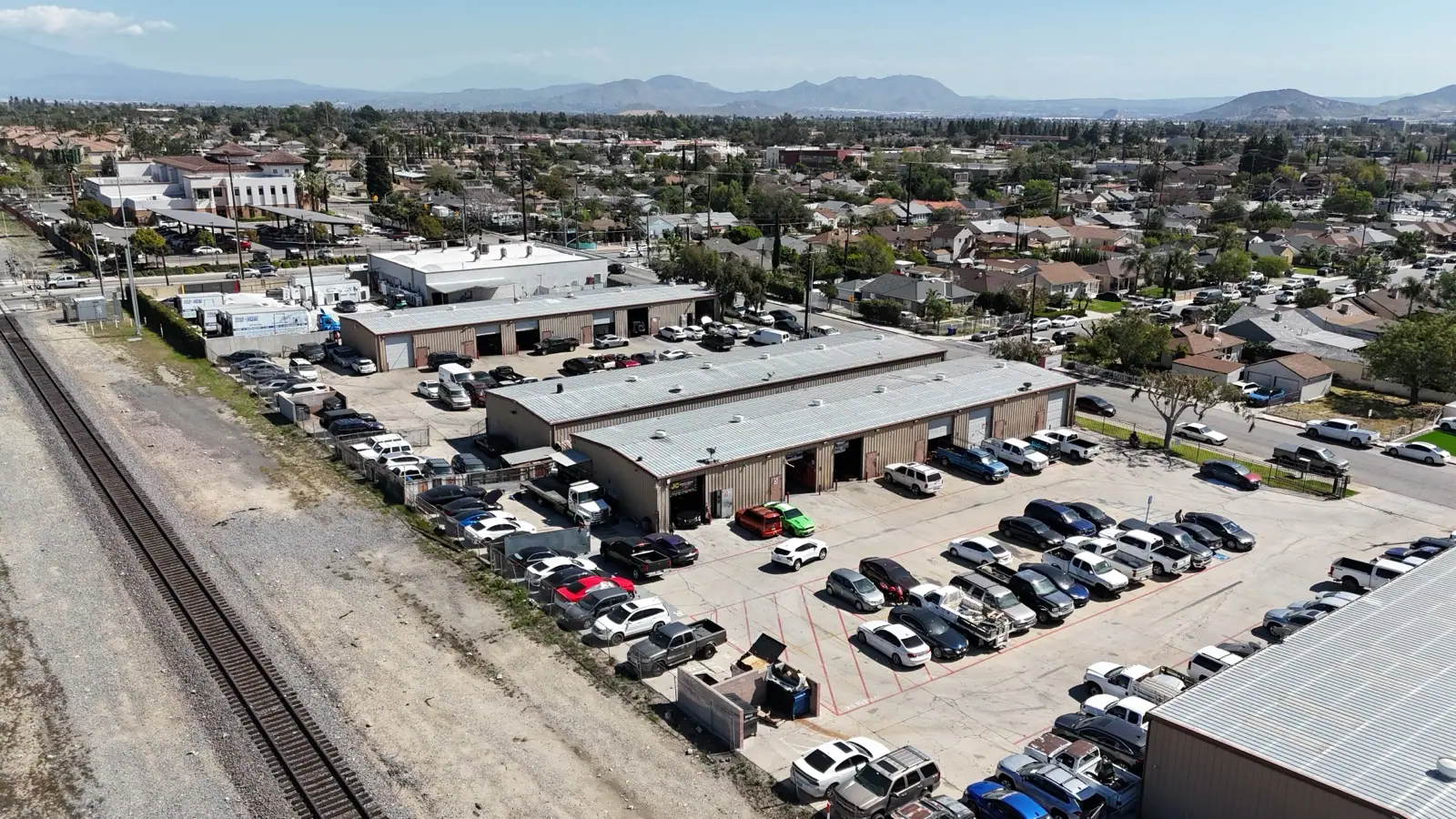
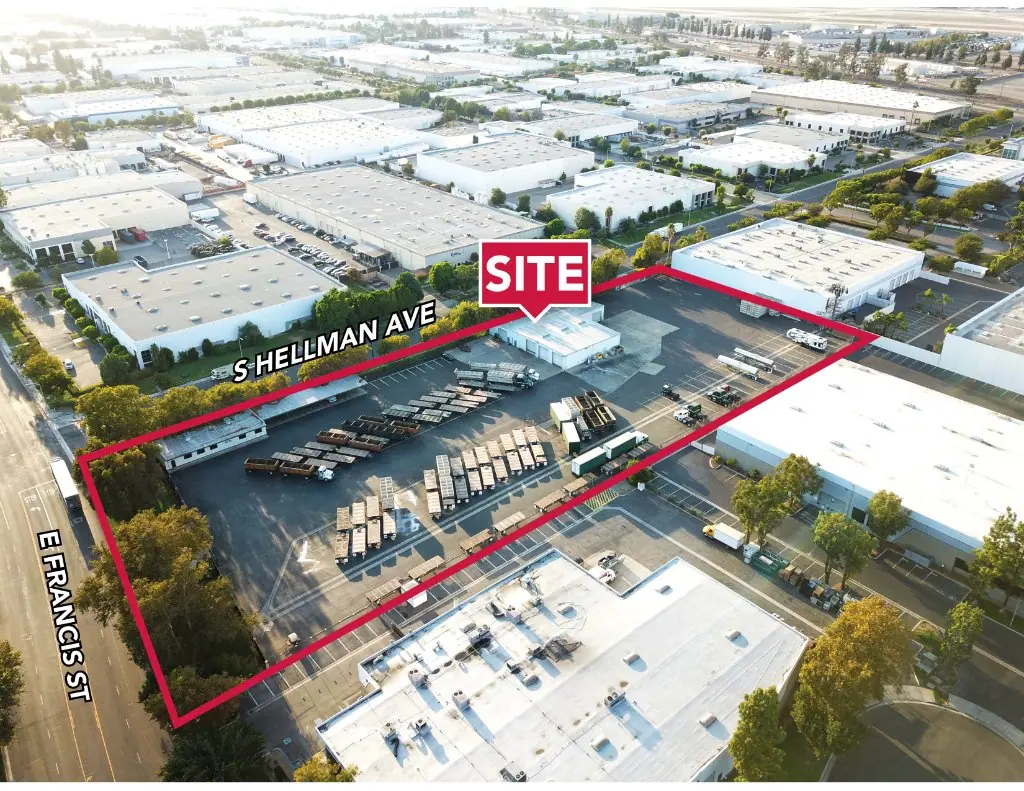
Nearby listings serving the Rancho Cucamonga market
Rancho Cucamonga Industrial FAQ
Why is industrial space so hard to find in Rancho Cucamonga?
The city is effectively built out — nearly every industrially zoned parcel is already improved, and very little new supply can be created. Owner-users hold buildings for decades because they cannot be replaced locally, and available spaces are often absorbed before they are widely marketed. Tenants with Rancho requirements should start their search early and be ready to move when something fits.
What kind of tenants operate in Rancho Cucamonga?
A more corporate mix than most of the Inland Empire: headquarters-plus-distribution users along the Haven and Milliken corridors, light manufacturers, medical and technology suppliers, and established regional distributors in the mid-bay stock. The strong local labor pool and foothill executive housing keep demand from this profile persistent, largely independent of the big-box cycle.
Is Rancho Cucamonga a good place to sell an industrial building?
If you own here, you own scarcity. Constrained supply and a premium tenant base make Rancho one of the most reliable seller’s markets in the region, with both owner-user and institutional interest in most size ranges. The right answer still depends on the specific building — request a broker opinion of value and we will run it against current comparables.
What are the alternatives if I can’t find space in Rancho Cucamonga?
Ontario and Fontana are the natural fallbacks — both border the city, share the same freeway network, and offer deeper availability across more building types. We usually run a Rancho requirement as a corridor search spanning all three cities so the tenant keeps negotiating leverage instead of bidding against scarcity.
More questions? Read our Inland Empire industrial FAQ or contact the team.